Source Aluminium Profile Bracket for Furniture, Shelving, and Projects
Find 30 listings for aluminium profile bracket for furniture from verified Chinese manufacturers. Compare specifications, certifications, and prices for hoisting machinery, fasteners, and brackets used in 30 and 15 series applications.
Key considerations
Products List




Comprehensive Sourcing Guide
Strategic Sourcing Guide for Aluminium Profile Brackets in Furniture Manufacturing
Understanding Product Variability and Core Specifications
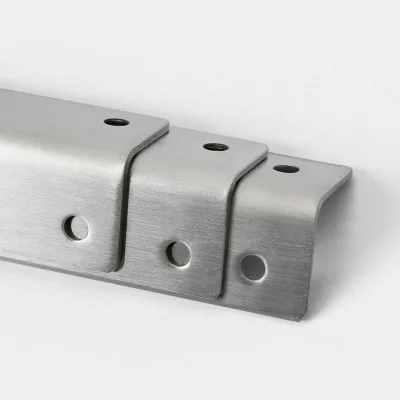
When sourcing aluminium profile brackets for furniture, buyers must first recognize that the market presents a wide spectrum of configurations rather than a single standardized item. The available inventory includes distinct product models such as the KBA-20, TP-302, D1212, and Lnt0660, each serving different structural needs. A critical observation from current market data indicates that while the base material is consistently aluminium, the specific application dictates the required geometry and load-bearing capacity. For instance, some listings specify a "Triangle Bracket" structure, while others describe a "Single-side Bracket" or a "Two ways bracket." These structural differences are not merely aesthetic; they determine the bracket's utility in specific furniture assemblies, such as shelving units, projector mounts, or heavy-duty hoisting machinery components.
The physical dimensions of these brackets vary significantly based on the series they are designed to support. Data shows specific dimensions for aluminium brackets intended for the 90 Series, measuring 868688mm, while other models are tailored for the 15 Series or 30 Series. The thickness of the material is another vital specification, with some products listing a thickness of 6.8mm, while others adhere to standard sizing like 302030mm or 262116cm. Buyers must verify these exact measurements against their own design blueprints, as a mismatch in thickness or profile size can lead to structural failure or assembly incompatibility. Furthermore, the "Standard" attribute in supplier listings sometimes refers to the product's dimensional standard (e.g., 1/4"-3/4") or a quality standard (e.g., SGS), requiring careful distinction during the evaluation process.
Technical Attributes and Manufacturing Processes
The manufacturing process plays a pivotal role in the final quality and performance of aluminium brackets. The supplied data highlights "Casting" as a primary technique used in production, which influences the grain structure and density of the metal. This method is often paired with specific surface treatments to enhance durability and aesthetic appeal. Common finishes observed include "Blue Zinc," which provides a protective layer against corrosion, although the availability of other finishes depends on the specific supplier's capabilities. The "Surface Treatment" attribute is frequently marked as "Yes," indicating that most manufacturers offer post-processing options to meet specific environmental or aesthetic requirements.
Customization is a significant factor in this sector. While some products are listed as "Non-Customized" with fixed models like the Corner Bracket (Model No. 30la), others explicitly state that "Customization" is available. This flexibility allows buyers to request specific modifications to the bracket's structure, such as altering the folded state (some are "Unfolded" while others may be designed for folding) or adjusting the mounting holes to fit unique furniture designs. The "Style" of the bracket, often described as "Simple Modern," suggests a trend toward minimalist aesthetics that blend seamlessly with contemporary furniture. However, buyers should verify if the "Manufacturing Arts" align with their production volume, as some suppliers offer "Sample Provided" services for free, which is crucial for prototyping before committing to large-scale orders.
Compliance, Certification, and Quality Assurance
Navigating the compliance landscape for aluminium brackets requires a rigorous verification of certifications and standards. The market data confirms that many suppliers hold CE and ISO9001 certifications, which are essential for ensuring that the products meet international safety and quality management benchmarks. Specifically, the "ISO" certification is frequently cited, and while some background knowledge references ISO 9001:2008 or EN1090, buyers must confirm the current validity of these standards with the supplier, as regulatory updates occur frequently. The presence of an "SGS" standard in the product attributes suggests that third-party testing is often conducted, but buyers should request the actual test reports to validate claims regarding material integrity and load limits.
Quality assurance extends beyond certifications to include the origin and production environment. Most aluminium brackets in this category originate from China, with specific hubs like Zhejiang and Mainland China being prominent sources. The "Place of Origin" is a critical piece of information for logistics and trade compliance. Additionally, the "Production Period" is typically noted as 7 working days, which serves as a baseline for lead time planning. However, this duration can fluctuate based on order volume and customization requirements. Buyers should also verify the "Loading Port," with Shenzhen being a common departure point, as this impacts shipping costs and delivery schedules. Ensuring that the supplier adheres to these documented standards and provides verifiable documentation is the first step in mitigating supply chain risks.
Cost Drivers and Pricing Dynamics
The pricing of aluminium profile brackets is influenced by a complex interplay of factors, including material costs, customization levels, and order volume. The observed price range in the market spans from $0.02 to $3800, a vast disparity that reflects the difference between small, off-the-shelf fasteners and large, custom-engineered hoisting machinery components. The Minimum Order Quantity (MOQ) is another significant cost driver, with ranges observed from 1 to 10,000 units. Buyers seeking small quantities may find higher per-unit costs, while those placing bulk orders can leverage economies of scale to reduce the price significantly.
Packaging also contributes to the overall cost structure. Listings indicate various packaging methods, from individual polybags to bulk cartons, with quantities ranging from 500 to 1000 pieces per bag. The "Packaging Details" must be clearly defined to prevent damage during transit, especially for delicate aluminium profiles. Furthermore, the "Delivery Detail" of 7-15 days suggests that expedited shipping options may incur additional costs. Buyers should analyze the total landed cost, including shipping, duties, and packaging, rather than focusing solely on the unit price. Understanding these variables allows for more accurate budgeting and prevents unexpected expenses that can erode profit margins in furniture manufacturing.
Supplier Evaluation and Selection Criteria
Selecting the right supplier requires a multi-faceted approach that goes beyond price comparison. Buyers should prioritize suppliers who demonstrate transparency in their product attributes, such as clearly stating the "Brand Name" (e.g., Jm) and providing detailed model numbers. The availability of "Free Samples" is a strong indicator of a supplier's confidence in their product quality and their willingness to engage in a collaborative relationship. Additionally, the "Structure" of the bracket, whether it is a triangle or single-side design, should be matched precisely with the supplier's manufacturing capabilities.
Verification of the supplier's location and logistics capabilities is essential. Suppliers based in Zhejiang or other regions in Mainland China often have established supply chains, but buyers must confirm the "Loading Port" and "Delivery Detail" to ensure timely receipt of goods. The "Production Period" of 7 working days is a standard benchmark, but suppliers with a track record of meeting this timeline consistently are preferable. Buyers should also evaluate the supplier's ability to handle "Customized" orders, as the flexibility to modify the bracket's dimensions or finish can be a decisive factor in project success. A comprehensive supplier evaluation should include a review of their certification status, production capacity, and past performance in delivering similar products.
Long-Term Procurement and Application Strategy
For long-term success, buyers must align their procurement strategy with the specific applications of the aluminium brackets. These components are versatile, serving uses ranging from "Shelf Bracket" and "Projector Bracket" to "Hoisting Machinery" and "Fasteners." The "Used for" attribute often specifies the series, such as the 15 Series or 30 Series, which dictates the bracket's compatibility with other furniture components. Buyers should ensure that the brackets they source are not only compatible with their current designs but also scalable for future product lines.
Sustainability and durability are also critical long-term considerations. The "Surface Treatment" and "Finish" options, such as Blue Zinc, play a significant role in the lifespan of the furniture. Buyers should inquire about the durability of these treatments under various environmental conditions to ensure the furniture remains functional and aesthetically pleasing over time. Additionally, the "Adjusted" attribute, which can be "Unadjustable" or customized, affects the ease of assembly and maintenance. By focusing on high-quality materials and robust manufacturing processes, buyers can minimize warranty claims and enhance customer satisfaction.
Comparative Analysis of Product Attributes
To facilitate informed decision-making, the following table summarizes key attributes observed in the market for aluminium profile brackets. This comparison highlights the diversity of options available and the specific details buyers should verify.
| Attribute Category | Observed Variations | Verification Requirement |
|---|---|---|
| Product Model | KBA-20, TP-302, D1212, Lnt0660, 30la | Match model number to design specifications |
| Material | Aluminium, Metal | Confirm alloy type and purity |
| Structure | Triangle Bracket, Single-side, Two ways | Ensure structural integrity for load |
| Dimensions | 868688mm, 302030mm, 6.8mm thickness | Verify against CAD drawings |
| Certification | CE, ISO, SGS | Request valid certificates and test reports |
| Customization | Available, Non-Customized, Customized | Confirm feasibility and lead time impact |
| Surface Finish | Blue Zinc, Yes (Treatment) | Check corrosion resistance standards |
| Origin | China, Zhejiang, Mainland China | Assess logistics and trade compliance |
| Packaging | Carton, Polybag, 500/1000 PCS/Bag | Ensure protection during transit |
| Lead Time | 7-15 Days, 7 Working Day | Align with production schedule |
Conclusion
Sourcing aluminium profile brackets for furniture requires a meticulous approach that balances technical specifications, compliance, cost, and supplier reliability. The market offers a wide array of options, from standard fasteners to custom-engineered solutions, each with unique attributes that must be carefully evaluated. By focusing on verified certifications, precise dimensional matching, and clear communication regarding customization and lead times, buyers can secure high-quality components that meet their manufacturing needs. The diversity in product models, materials, and finishes underscores the importance of due diligence in the selection process. Ultimately, a strategic procurement approach that prioritizes quality and transparency will yield the best results for furniture manufacturers seeking to build durable and aesthetically pleasing products.
FAQs
What certifications do aluminium profile brackets typically hold?
Many aluminium profile brackets hold CE and ISO9001 certifications to ensure international safety and quality standards. Some listings also reference ISO or SGS standards, but buyers should verify the current validity of these certificates with the supplier before ordering.
Which manufacturing techniques are used for these brackets?
Casting is a primary manufacturing technique used to produce these aluminium brackets, influencing their grain structure and density. This process is often paired with surface treatments like blue zinc to enhance durability and provide protection against corrosion.
Can buyers request custom dimensions for aluminium brackets?
Customization is available for many aluminium profile brackets, allowing buyers to request specific modifications to structure or dimensions. However, some products like the Corner Bracket model 30la are listed as non-customized with fixed specifications.
What is the typical lead time for production?
The standard production period for these brackets is typically 7 working days, with delivery details often ranging from 7 to 15 days. This timeline can fluctuate based on order volume and the extent of any requested customization.
Where are these aluminium brackets primarily manufactured?
Most aluminium profile brackets originate from China, with specific manufacturing hubs located in Zhejiang and Mainland China. The loading port for these goods is frequently Shenzhen, which impacts shipping costs and delivery schedules.
How are aluminium brackets packaged for shipment?
Packaging details vary from individual polybags to bulk cartons, with quantities ranging from 500 to 1000 pieces per bag. Common packing dimensions include 350*280*160mm or standard carton sizes to ensure protection during transit.